

Coffee Tasting Glasses Explained: Why Shape Matters
Brew one cup of coffee. Pour it into three different glasses. Taste each.
You will taste three different drinks.
This is the same principle behind wine in a tulip, cognac in a snifter, beer in a weizen. The rim guides aroma. The bowl shapes the body. The height changes how the coffee cools as you drink.
We built the Kazumi glasses around this. Three glasses - Sumi, Koku, and Kaori. Same brew. Three completely different cups.
This is how it works, what each glass does, and why you have to taste it to believe it.
The experiment you can run at home
Here is the test. Ten minutes.
Step 1. Brew a Kazumi siphon coffee.
Step 2. Pour the same coffee into a Sumi, a Koku, and a Kaori.
Step 3. Take a sip from each, in order. Sumi first. Then Koku. Then Kaori.
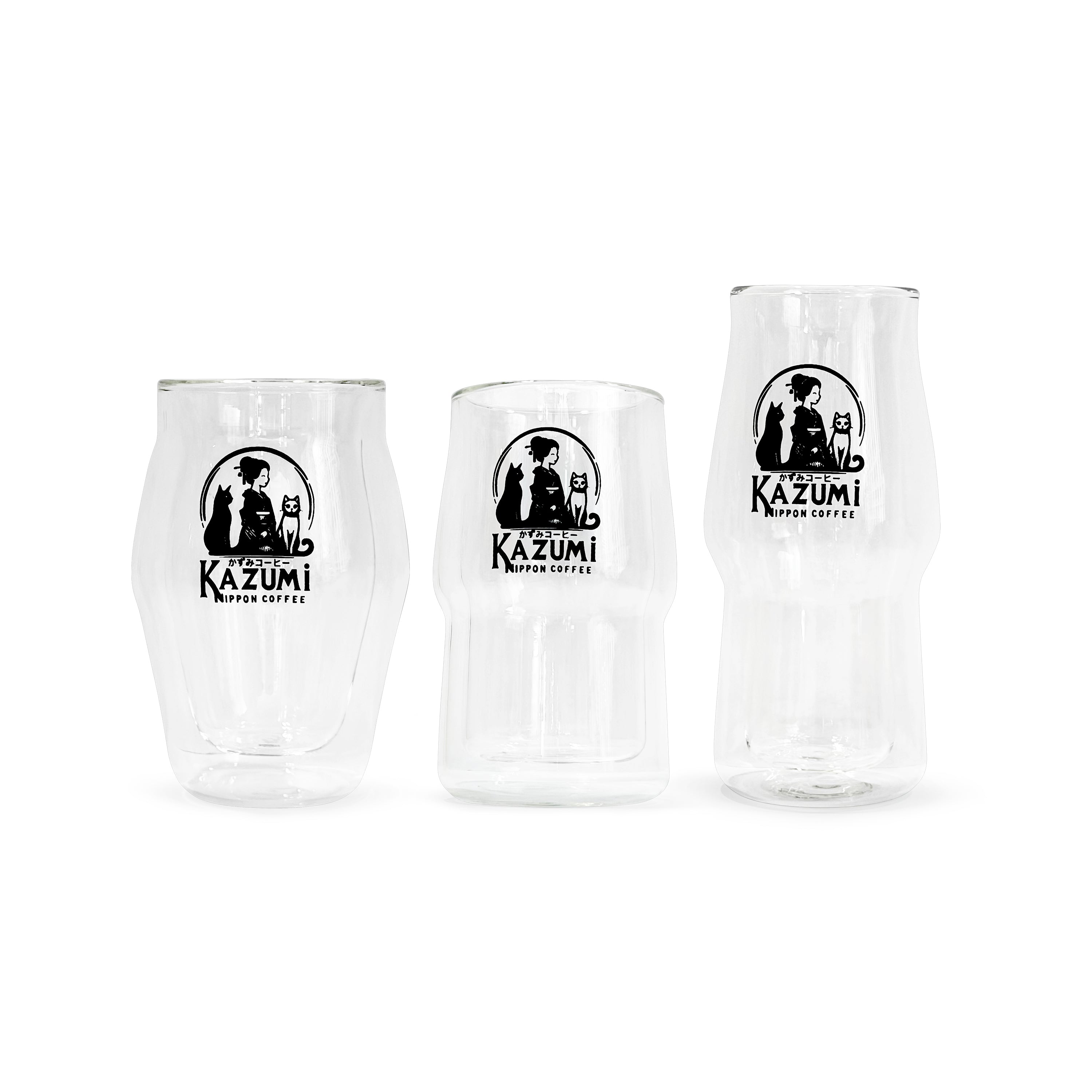
What you will notice:
- Sumi tastes lighter and cleaner. The flavor notes feel sharper, more separated. You can pick out what you are tasting.
- Koku tastes fuller and rounder. The coffee feels heavier on the tongue. The notes blend together and the finish lasts longer.
- Kaori smells more than the other two. The aroma hits before the taste does. The coffee feels concentrated, focused, almost amplified.
Same coffee. Three different drinks.
Most people do not believe it until they try it. After they try it, they understand why three glasses exist.
Why the shape changes the coffee
Three things in a glass affect what you taste.
The rim. A wide rim lets aroma fan out before reaching your nose. A narrow rim concentrates it. Aroma drives most of what we taste, so the rim matters more than people think.
The bowl. A wider bowl gives the coffee room to breathe - softer, rounder. A narrower bowl keeps it tight - focused, sharp.
The height. Taller glasses keep coffee warmer. Shorter ones cool faster, which lets hidden flavors come through. The first sip from a tall glass and the last sip from a short one can feel like different coffees.
Each Kazumi glass combines these three in different ways. Every one of them is built to do its job well.
The science behind cup shape
The connection between vessel shape and flavor perception is not a marketing claim. It is established science backed by decades of research.
Professor Charles Spence at the University of Oxford has spent over twenty years studying what he calls "gastrophysics" - the science of how the senses interact when we eat and drink. His research, published in journals including Flavor and Food Quality and Preference, consistently shows that the same drink poured into differently shaped vessels is perceived differently by tasters in measurable ways. Stronger or weaker aroma. Lighter or heavier mouthfeel. More or less sweet. More or less bitter. The drink does not change. The perception does, because the vessel changes how aromatic compounds reach the nose and how the liquid spreads on the tongue.
The Specialty Coffee Association uses the same principle in its official cupping protocols. Q grader certification - the international standard for professional coffee tasting - requires specific bowl-shaped vessels of standardized dimensions. The reason is straightforward: a different shape would change what the taster perceives, and consistency is the whole point of professional cupping. Coffee professionals around the world are trained to evaluate coffee in vessels that look essentially the same as a Kazumi glass.
The mechanism is straightforward. Most of what we experience as "taste" is actually smell. The tongue picks up only five basic tastes: sweet, salty, sour, bitter, and umami. Everything else - the fruitiness, the chocolate, the floral, the nutty, the smoky - reaches us through the nose. How the vessel directs aromatic compounds to the nose changes what we taste.
A narrow inward-curving rim concentrates aromatic compounds in a small volume of air right under your nose. A wide open rim lets them disperse. A taller vessel keeps the drink warmer for longer, which keeps volatile aromatic compounds actively evaporating. A shorter vessel cools faster, which reveals notes that high temperature can mask.
The Kazumi glasses are built around these principles. Sumi disperses. Koku rounds. Kaori concentrates. Same physics, three different results.
What the three glasses share
Before the differences.
All three are high-borosilicate glass - the same glass used in laboratory equipment. Non-porous. Does not stain. Does not hold onto flavors from yesterday's brew.
All three are double-walled. The air gap insulates the coffee. The outside stays cool to the touch, even with freshly poured coffee inside.
All three are made to pair with the Kazumi Siphon Coffee Maker. Siphon brewing brings more aromatic compounds and cleaner extraction into the cup than other methods. The glasses are shaped to reveal that.
Sumi (澄み) - Clarity
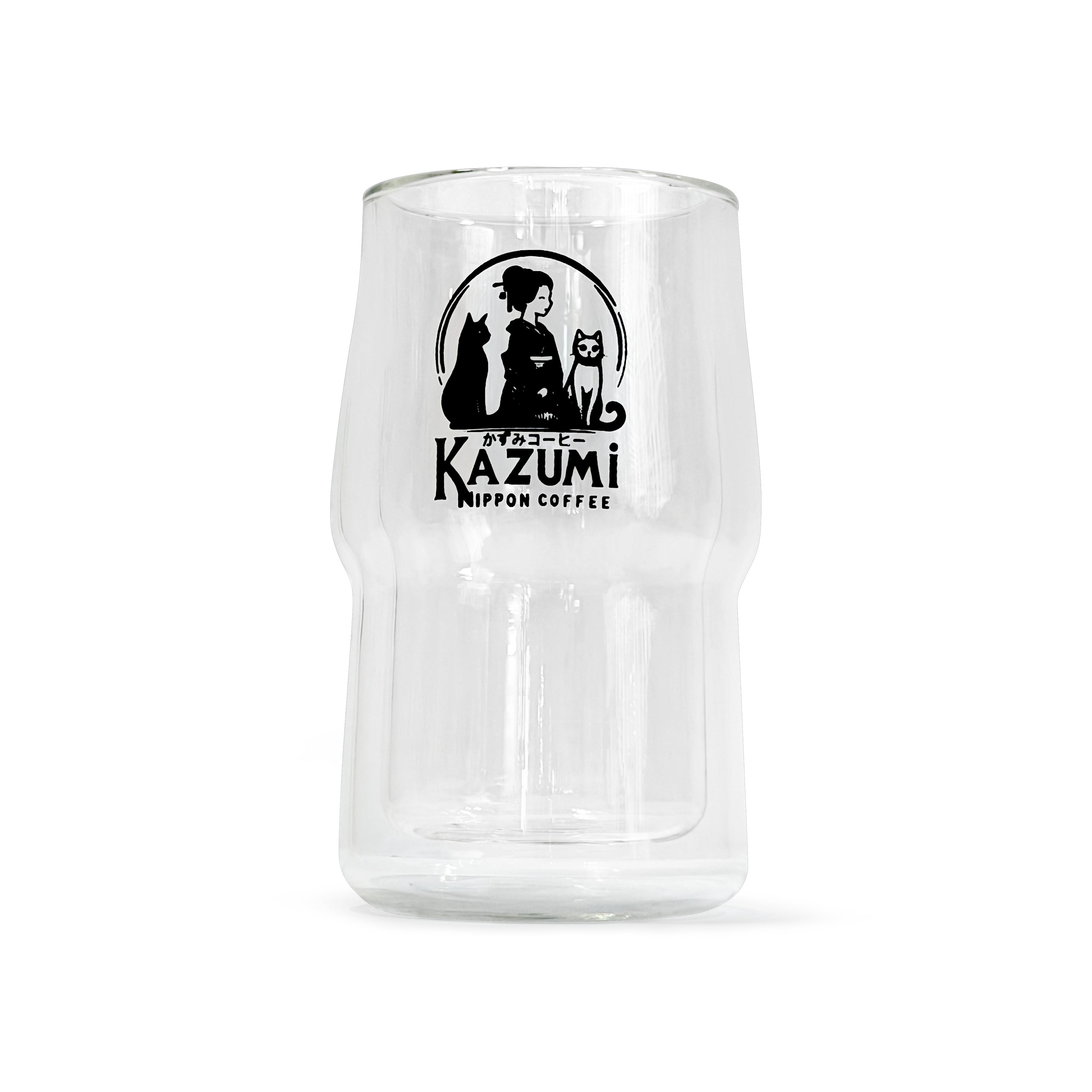
Height: 11.6 cm. Width: 7.2 cm. Capacity: 170 ml. Weight: 150 g.
Sumi is the Japanese word for clarity, clearness, and purity. The shape follows the meaning. A wide rim. An upright bowl. The largest capacity of the three.
On the tongue: lighter perceived body. Cleaner finish. Flavor notes feel separated. The fruit, the chocolate, the floral notes come through distinctly.
Sumi pairs well with:
- Bright, vibrant coffees where you want to taste individual notes
- Light and medium roasts
- Mornings when you want a sharper, cleaner cup
- Side-by-side tasting
There are no rules. The suggestions above are starting points, not requirements. Sumi works with any coffee you pour in it. If you like your Sumi for a dark espresso, that is the right way to use it.
In the same-coffee experiment, Sumi is the cup where the notes feel most separated. You can name what you are tasting.
Koku (コク) - Body
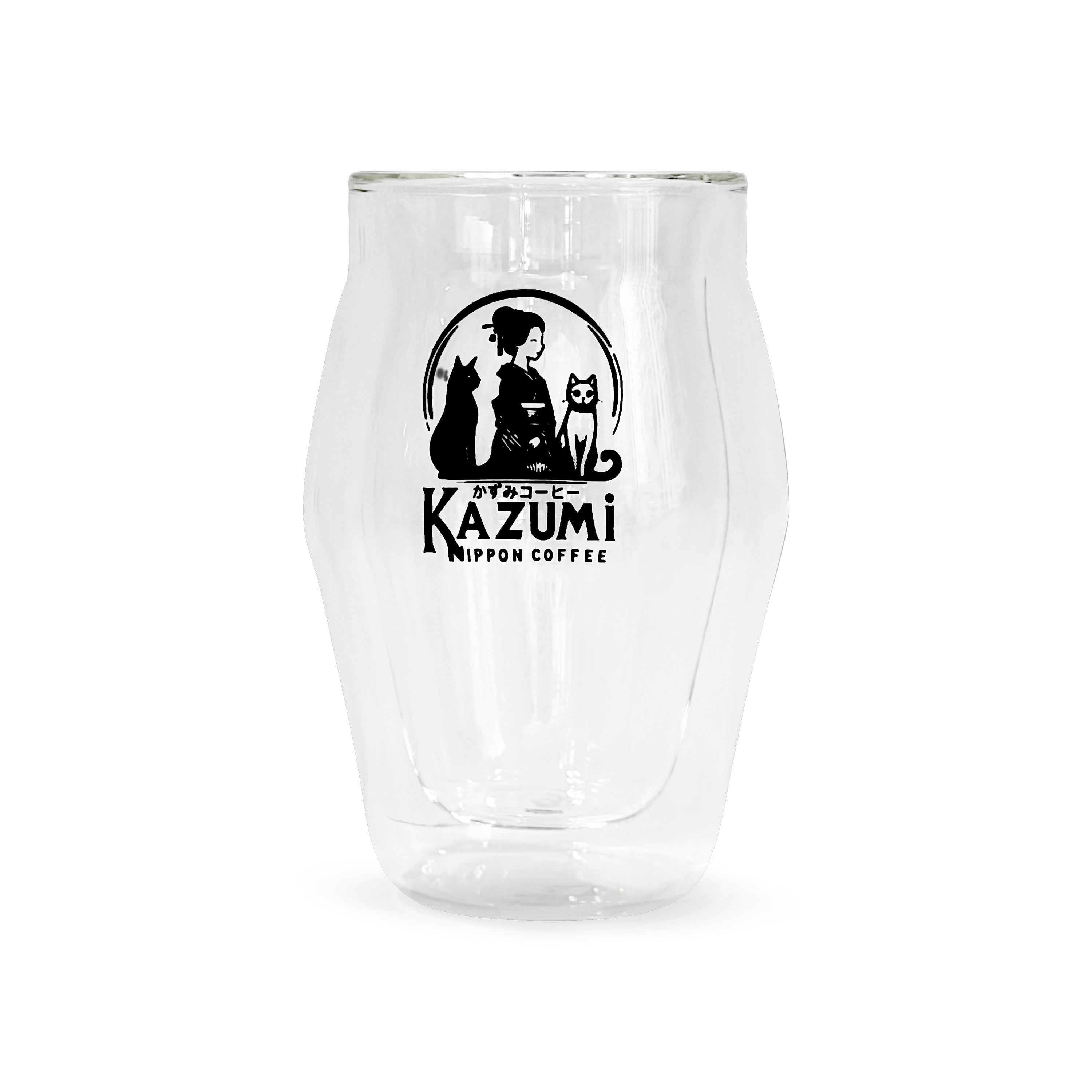
Height: 11.5 cm. Width: 7.8 cm. Capacity: 155 ml. Weight: 137 g.
Koku is the Japanese word for richness, depth, and body. The widest of the three. The bowl curves outward and gives the coffee room to spread. The mouth is wide and open.
On the tongue: rounder, warmer mouthfeel. The coffee feels heavier. The flavors blend. The finish lasts longer.
Koku pairs well with:
- Medium and dark roasts
- Beans with chocolate, nut, or caramel notes
- Evening cups where you want something comforting
- Coffee shared between two people
There are no rules. Koku works with any coffee you pour in it. A bright Ethiopian served in a Koku will feel fuller than the same coffee in a Sumi - and some people prefer it that way.
In the same-coffee experiment, Koku is the cup where the brew feels heaviest and most layered. After tasting Sumi first, the same coffee in Koku will surprise you.
Kaori (香り) - Aroma
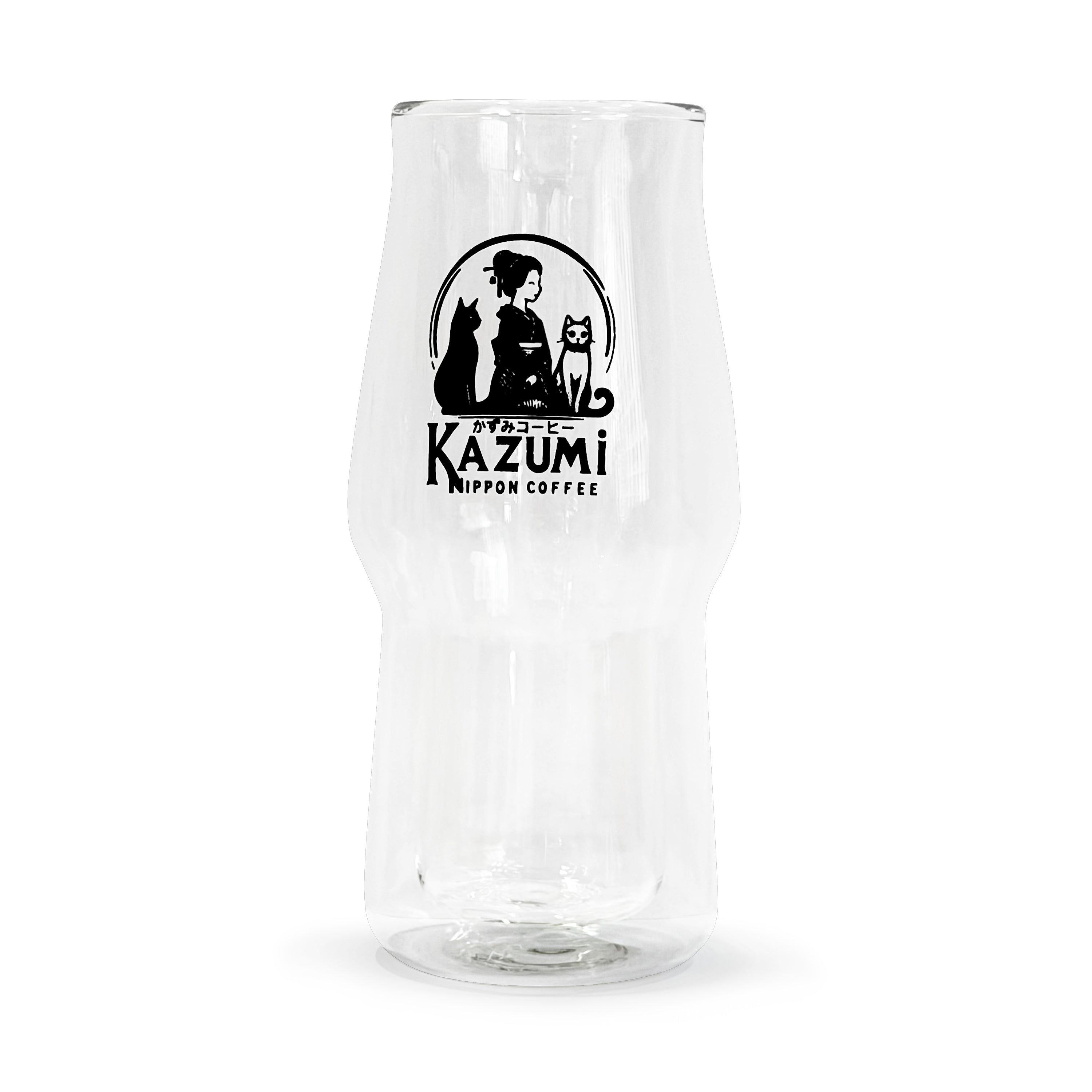
Height: 13.8 cm. Width: 6.6 cm. Capacity: 120 ml. Weight: 135 g.
Kaori is the Japanese word for aroma, fragrance, and scent. The tallest of the three. The bowl is narrower. The rim curves inward to concentrate the aroma right under your nose.
What it does: more aroma reaches you before the taste does. Aroma drives most of what we taste, so this changes the cup dramatically. Coffee in a Kaori feels concentrated and almost amplified.
Kaori pairs well with:
- Aromatic, floral, or fruit-forward coffees
- Beans where the smell is the whole experience
- Slow, attentive drinking where every sip is the point
- Showing a great coffee at its peak
There are no rules. Kaori works with any coffee. A simple dark roast in a Kaori will smell stronger and feel more present than the same coffee in a Koku.
In the same-coffee experiment, Kaori is the cup that smells the strongest. People often say it makes the coffee feel more like itself.
Which should you choose?
Honest answer: the set.
A single glass works if you drink one kind of coffee and you do not want to think about it. Pick the one that matches your daily brew.
But you cannot run the same-coffee experiment with one glass. You cannot taste the difference. You cannot compare. Once you have tasted the same coffee in all three, you do not go back.
The set gives you all three designs. You can:
- Run the same-coffee experiment whenever you want
- Match the glass to whatever you are brewing that day
- Keep all three out together - they look beautiful as a set
- Serve different glasses to different people based on what they like
- Give one or two as gifts and keep the rest
The set is what makes all three actually useful.
What makes Kazumi glasses different from other coffee cups
Most coffee cups are ceramic. Single-walled. Shaped without thought to flavor. They hold the coffee warm. That is the whole design intent.
The Kazumi glasses are different in three ways.
Material. High-borosilicate glass is non-porous. Nothing stains it. Coffee oils rinse away. The glass does not absorb flavors from previous drinks. Your coffee tastes only like your coffee.
Construction. Double-walled with an air gap between layers. The air insulates the coffee while keeping the outside cool to the touch. You can hold a freshly poured cup without burning your fingers.
Shape. Each Kazumi glass is shaped for a different part of how coffee tastes - clarity, body, or aroma. Most coffee cups exist to hold coffee. Kazumi glasses exist to change the experience.
That last point matters most. The glass is part of the coffee.
See Kazumi Coffee Reviews from buyers who've used the Sumi, Koku, and Kaori cups with their daily brews.
Pairing with the Kazumi Siphon Coffee Maker

The Kazumi Siphon Coffee Maker and the Kazumi glasses are built for each other.
Siphon brewing pulls more flavor and aroma into the cup than any other home method. The vacuum filtration through the built-in glass filter holds back grounds cleanly without altering the brew. The condenser stabilizes water temperature in the ideal extraction range. What ends up in the flask is a fuller, more layered, more aromatic coffee than drip, French press, or pour over produce.
Drinking that coffee from a regular mug works fine. Drinking it from a Kazumi glass shaped for the bean - that is when you taste what siphon brewing is actually capable of.
The Kazumi standard set holds 1000 ml. That fills:
- 6 Sumi glasses (170 ml each)
- 6 Koku glasses (155 ml each)
- 8 Kaori glasses (120 ml each)
Or you brew one Kazumi siphon, pour into one Sumi, one Koku, and one Kaori, and run the experiment with one brew across all three glasses.
Care for your glasses
The Kazumi glasses last forever with simple care.
Rinse with warm water after each use. The non-porous borosilicate releases coffee residue with no effort. A small amount of mild dish soap is fine for deeper cleaning.
Avoid steel wool and abrasive scrubbers. Do not run cold water over a freshly used hot glass. Hand wash for longest life. Air dry.
Frequently asked questions
Is the effect of glass shape on coffee taste scientifically proven?
Yes. Professor Charles Spence at the University of Oxford has published over two decades of research showing that the shape of a drinking vessel measurably changes how the same liquid is perceived - stronger or weaker aroma, lighter or heavier mouthfeel, more or less sweet. The Specialty Coffee Association uses this same principle in its Q grader certification, which requires standardized bowl-shaped vessels for professional cupping. The mechanism is uncontroversial: most of what we experience as taste comes through the nose, and the vessel shape changes how aromatic compounds reach it.
Does the same coffee really taste different in different glasses?
Yes. The shape of the rim, bowl, and height changes how aroma reaches your nose and how the coffee spreads on your tongue. The effect is reproducible. Anyone can run the test in 10 minutes with three glasses and one brew.
Can I use Kazumi glasses without the Kazumi siphon coffee maker?
Yes. The glasses work with any brewing method. Siphon brewing reveals their full potential, but any coffee benefits from the right glass.
How much coffee does each glass hold?
Sumi holds 170 ml. Koku holds 155 ml. Kaori holds 120 ml. A full Kazumi siphon brew fills 6 Sumi, 6 Koku, or 8 Kaori glasses.
Are the glasses dishwasher safe?
Yes. Hand washing is recommended for longest life.
Do they keep coffee warm?
The double-wall design insulates the coffee, so it stays warm longer than a single-wall glass or thin ceramic cup. The outside stays cool to the touch.
What is the glass made of?
High-borosilicate glass. The same material used in laboratory equipment. Non-porous, does not stain, does not absorb flavors, handles hot beverages without breaking.
Can I buy just one?
Yes. Each glass is sold individually or as a set of three.
Do these glasses work for tea?
Yes. The same principles apply. Sumi works well for green, white, and lighter teas. Koku for matcha, black tea, and richer teas. Kaori for jasmine, floral, and aromatic teas. But there are no rules. Any tea works in any glass.
Which glass should I start with if I can only get one?
All three are excellent on their own. Pick the one that matches the coffee you drink most. The set is what gives you the full experience, but a single Sumi, Koku, or Kaori still upgrades any cup you pour into it.
Try it yourself
Brew once. Pour into Sumi. Pour into Koku. Pour into Kaori. Take a sip from each.
That is the experience. No words can describe it - you have to taste it.
Get the Sumi · Koku · Kaori Glass Set
Pair with the Kazumi Siphon Coffee Maker